
The Most Environmentally Friendly Steel Coating
Green Zinc
Environmentally friendly way
The Solution
Sherardizing
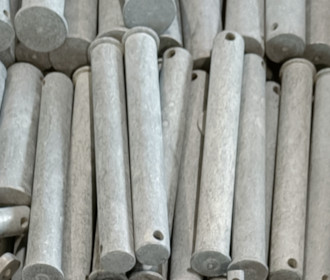
Sherardizing or thermal diffusion galvanizing meets all recent technological and evironmental requirements
The Best Protection Against Rust
Corrosion is one of the constant and extremely challenging problems present within most industries. Thus, we offer a solution to the challenges and dangers that corrosion presents.
Target Markets
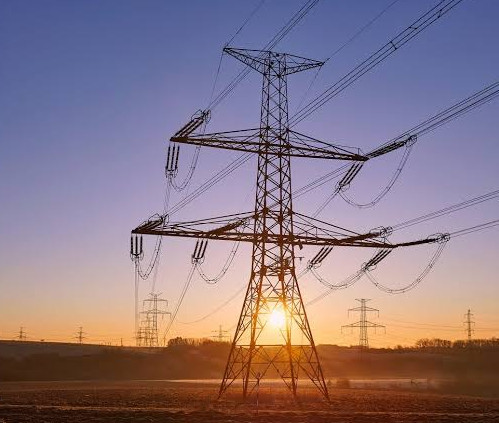
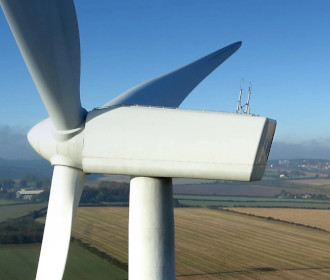
electric power generation and distribution
The high investment costs of wind power installations demand materials with proven durability and reliability. True sustainability starts with long service life, which is why fastening components in the wind energy sector have been sherardized from day one to ensure consistent performance and corrosion protection.
Sherardizing outperforms galvanising in corrosion protection, while duplex coating systems deliver maximum durability for offshore wind applications. With controlled application, minimal maintenance, environmental compliance, zero hydrogen embrittlement, low distortion, adjustable friction, paint compatibility, and easy assembly and disassembly, sherardizing is the proven choice for critical components.
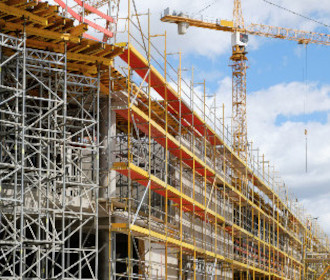
Construction
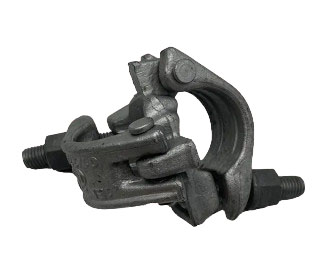
Construction materials, such as scaffolding, must meet high standards of functionality, lifespan, and safety. Diffusion-galvanized products excel in these areas, offering exceptional impact and wear resistance while remaining free from hydrogen embrittlement.
They are suitable for high-strength connections, withstand heavy daily use, provide excellent bonding for anti-friction coatings, and can be painted immediately. Their design also allows for easy assembly and disassembly, making them a durable and practical choice for demanding construction applications.
Railway Infrastructure
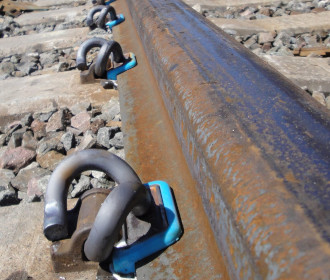
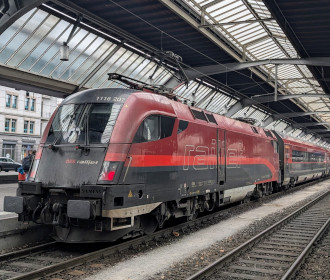
Every year, millions of passengers rely on rail transport, making safety and sustainability non-negotiable. Components used in train undercarriages and rail mountings must withstand extreme mechanical and dynamic loads, with long-term durability strongly dependent on the right surface treatment.
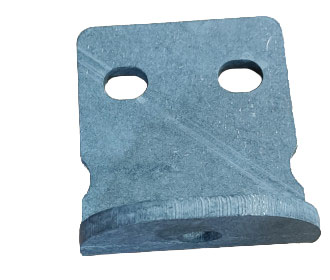
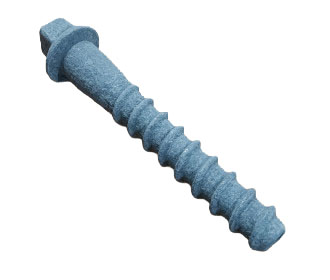
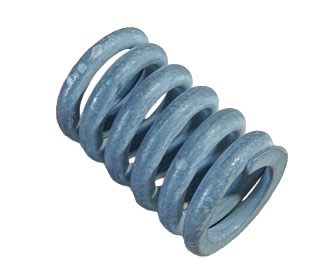
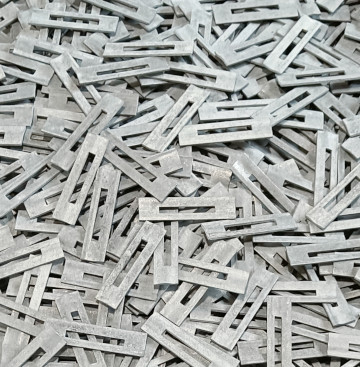
Diffusion-galvanized or sherardized components have proven their value in railway applications for decades. They resist vibration, stone-chip impact, erosion, corrosion, UV exposure, and temperature fluctuations, making them ideal for critical parts such as fasteners, rail clips, base plates, and rubber-metal damping systems.
Automotive
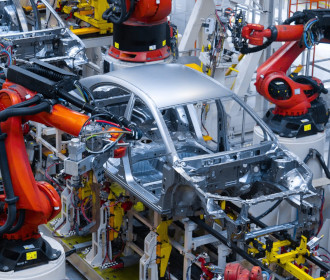
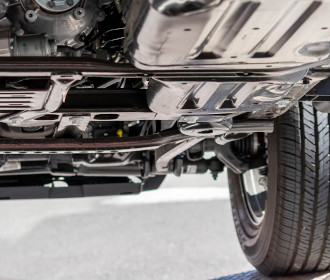
Developments in the automotive industry are accelerating and placing ever higher demands on the safety and quality of materials. Diffusion-zinc-plated (sherardized) products respond to these trends with high temperature resistance, active protection against flying stones, and elimination of hydrogen embrittlement. Their technical advantages include the possibility of spot welding after zinc coating, easy application of paints, and problem-free rubber-metal bonding, which ensures extreme durability of components even in demanding conditions.
This technology is ideal for high-strength steel parts, fasteners, and complex structural elements. It is widely used in engine compartments, exhaust systems, chassis parts (shock absorbers, wheel suspension), and body parts. Sherardizing is therefore an effective solution for rivets, pipes, and safety components where corrosion resistance and structural integrity are critical.
Transportation
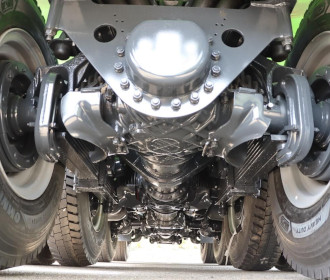
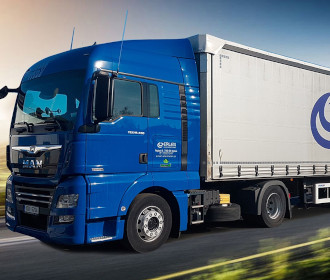
Transport demands the highest standards of safety and sustainability. Components used in the undercarriages of trucks, trailers, and trains must withstand corrosion as well as mechanical and dynamic loads, with long-term durability heavily dependent on the right surface treatment.
Sherardizing delivers reliable protection by forming a deformable, impact- and wear-resistant zinc layer that prevents under-corrosion and provides active cathodic protection—offering greater security than paint alone. Sherardized components resist stone-chip damage, allow frequent assembly and disassembly, bond perfectly with paint and rubber without additional process steps, and maintain performance throughout their service life.
Agriculture
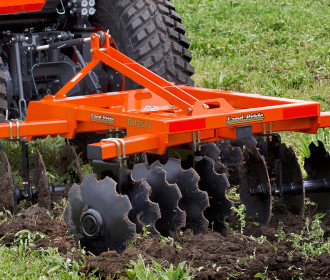
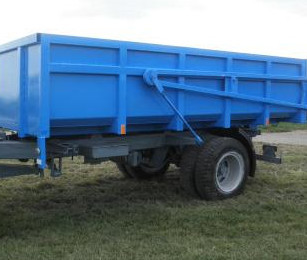
In agricultural mechanization, sherardized parts are widely used for their durability šand reliability. The guaranteed absence of hydrogen embrittlement and the excellent bonding properties for rubber make sherardizing particularly valuable for demanding agricultural applications.
Agricultural machinery operates in harsh conditions, including high humidity, temperature fluctuations, acidic and dusty environments, strong mechanical loads, and frequent assembly and disassembly. The robust zinc-iron alloy formed through sherardizing meets these strict requirements, which is why sherardized components are used worldwide in the agricultural sector.


Technology of the Future
Sherardizing has been trusted for over a century, yet it remains a next-generation, sustainable coating technology. Its energy-efficient zinc diffusion process forms a durable, uniform zinc–iron alloy layer, providing superior corrosion and abrasion protection. Long-lasting, low-maintenance, and environmentally friendly, sherardizing is a future-ready solution for the most demanding industrial environments.
Benefits of Sherardising
Superior
It surpasses all other methods of anti-corrosion coating in many respects.
Hardest
The hardest of all zinc coatings, able to withstand significant industrial pollution.
Even
Uniform coating, ideal for smaller and irregularly shaped objects without adverse changes in the thickness of the protective layer.
Lower temperature
Lower process temperature range that prevents loss of mechanical properties and shapes of the parts.
Long lasting
Long-term durability, tested in salt chamber for 2500 hours.

Hydrogen free
Total elimination of hydrogen embrittlement.
Environmental
Environmentally friendly – approaching a zero-emission process with no toxic substances.
Lower costs
Cost-effective in terms of initial protection costs, follow-up treatment and maintenance costs over the entire life cycle.
technology description
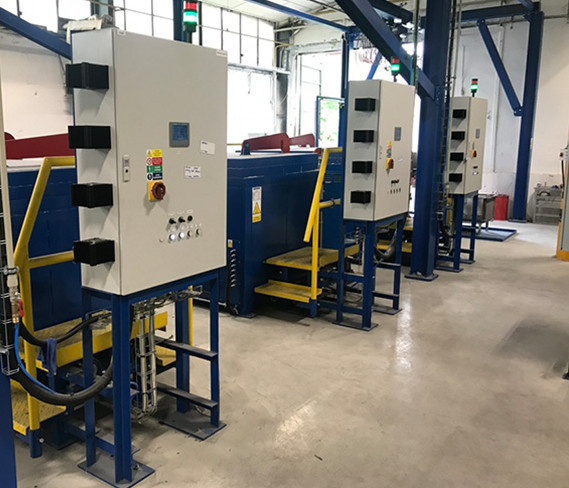
Thermal diffusion galvanizing, also known as sherardizing, is a process in which steel components are diffusion-coated with zinc. The reaction takes place in a rotating electric furnace containing zinc powder at temperatures between 360–390 °C, allowing zinc to diffuse into the steel surface.
This process forms a uniform zinc–iron alloy layer that provides exceptional corrosion protection and outstanding abrasion resistance, with no peelable coating layer. Because the process operates at relatively low temperatures, the internal structure of the steel remains unchanged, making sherardizing suitable for the protection of heat-treated components.
Sherardizing Summary
For over a century, zinc has been used to extend the service life of steel through its inherent corrosion resistance. Sherardizing applies a uniform, long-lasting zinc–iron alloy coating to iron and steel, providing exceptional protection against corrosion and abrasion across demanding industries.
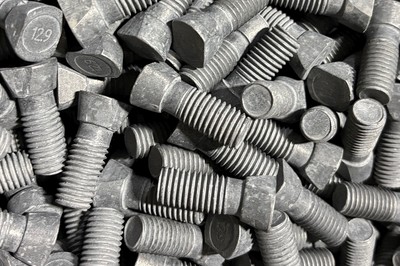
The sherardized surface offers an excellent bonding base for rubber-to-metal applications and for organic coatings, lubricants, sealants, oils, and stains. Suitable for both small and large components, the process ensures complete coverage of internal surfaces and threads without reworking. Sherardizing therefore delivers a cost-effective, high-performance, and reliable alternative to hot-dip galvanising.